Phoenix local guide
Sunshine, Monsoons & Haboobs: How Weather Shapes Phoenix Events
Phoenix weather can change event plans fast, especially from heat to monsoon storms. Use the forecast, the venue’s own rules, and current alerts to decide what to bring, when to go, and when to switch to an indoor plan.
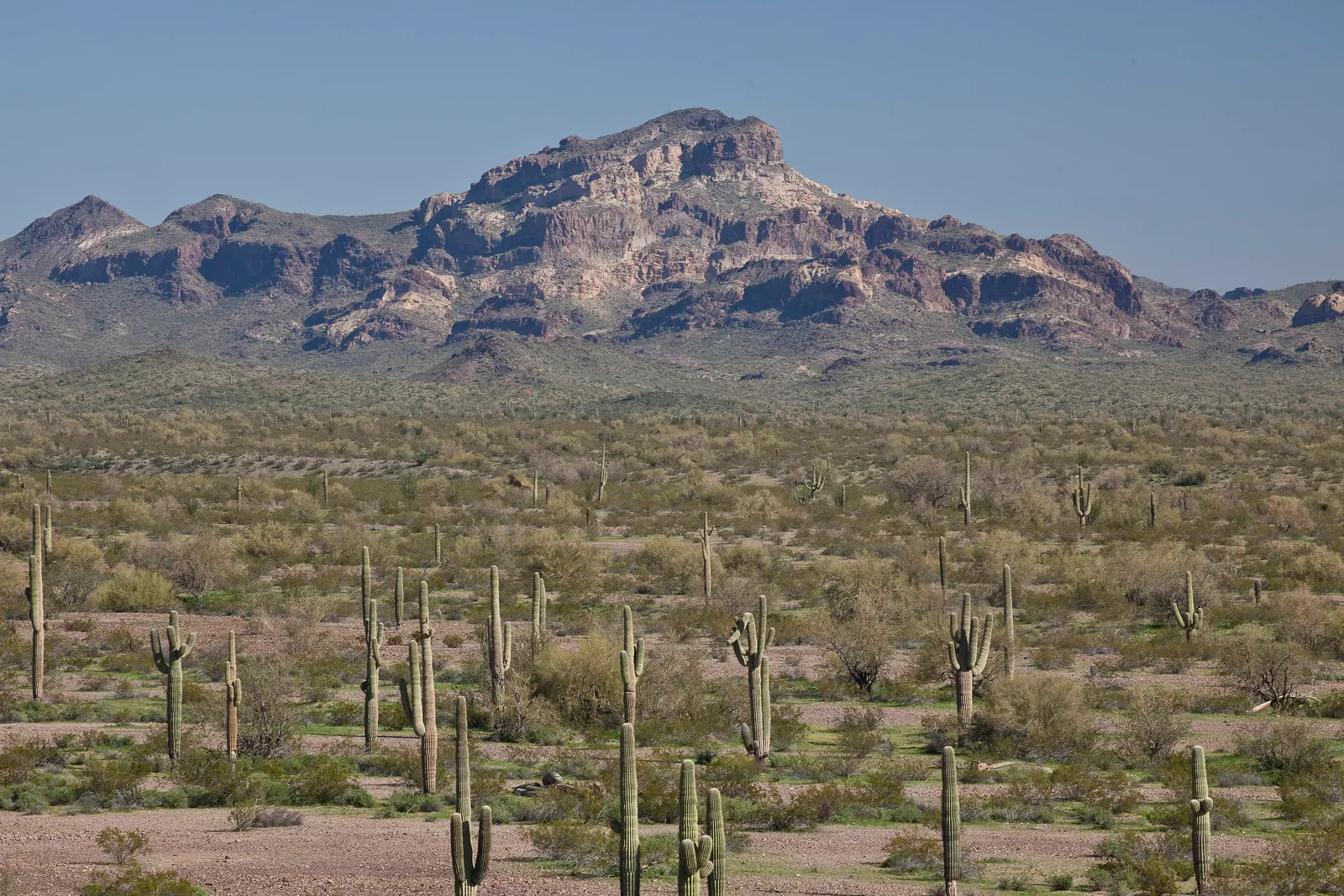
Check Phoenix forecasts before you leave, because heat, lightning, dust, and flash flooding can all affect the same event day. Monsoon season runs June 15 through September 30, but you still need to follow the actual forecast, venue rules, and live alerts.
Explore Phoenix visitor guides →Seasonal weather: start with the forecast, not the calendar
Phoenix monsoon season is a planning window from June 15 through September 30, not a promise of rain. Conditions often peak from mid-July to mid-August, but the bigger point for eventgoers is that heat can stay dangerous even when clouds build and storms are nearby.
If you are choosing between an outdoor show and an indoor option, check the forecast for the actual date and location first. Keep an indoor alternative in mind for a long outdoor outing, queue, or walk, and confirm its opening hours and admission before relying on it. The season alone cannot tell you which plan will suit a particular day.
Extreme heat: manage exposure, not just temperature
HeatRisk is more than a single high temperature. It looks at the day’s highs and overnight lows, humidity, and how long the heat lasts. Its colors range from green to magenta, and red or magenta means major to extreme risk for many people, with little or no overnight relief at the top end.
For event plans, the best response is simple: drink water, wear lightweight light-colored clothing, use a hat and sunscreen, take cooling breaks, and cut back on strenuous activity. Young children, older adults, people with some illnesses or medications, and anyone pushing hard outdoors can feel heat stress even on days that do not trigger a headline-level alert.
The NWS Phoenix HeatRisk page looks seven days ahead, which helps when planning a trip before the event date. Recheck it as the day approaches. An overnight low matters too: a late finish can still leave a warm walk to transportation, especially during prolonged heat.
Monsoon lightning, dust storms, and flash flooding
Monsoon weather brings more than rain. Phoenix resources point to strong winds, lightning, blowing dust, and flash flooding, and a storm can be dangerous before the rain reaches your block. If you hear thunder, you are close enough to be at risk. There is no safe outdoor place when thunderstorms are nearby.
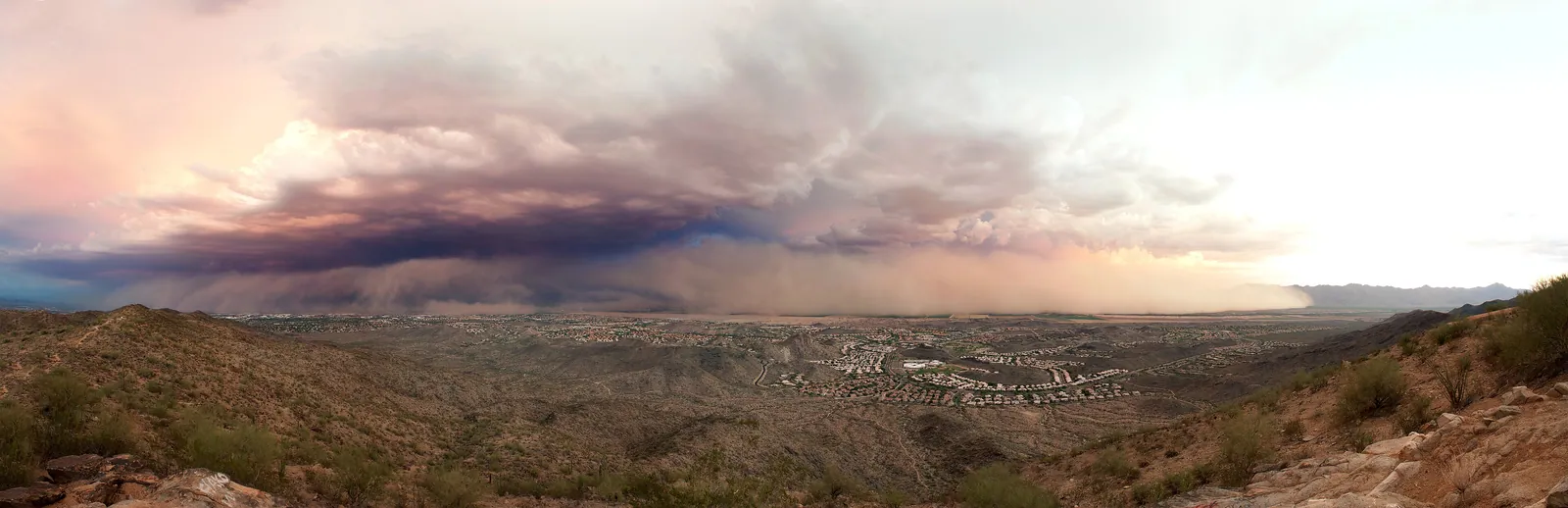
Haboobs form when thunderstorm outflow winds raise a wall of dust that can reduce visibility abruptly. Avoid entering a dust storm if possible. If you can leave the road safely, pull fully off the pavement, stop, turn off all lights, set the parking brake, and keep your foot off the brake pedal. This lights-off guidance applies only after parking safely off the roadway. Never stop in the travel lane or enter floodwater.
Do not wait for a severe-thunderstorm warning before responding to lightning. The National Weather Service advises going inside when you hear thunder. A substantial building or fully enclosed metal-topped vehicle offers safer shelter; a shade canopy, tree, or open porch does not. Stay sheltered for 30 minutes after the last thunder. For outdoor events, identify the venue’s shelter instructions before the weather turns, and follow staff directions when they ask you to move.
Pack for the weather and the venue rules
What you bring matters as much as the forecast. Good basics include sun protection, light clothing, a charged phone, and a water container that the venue allows. Do not assume the same bottle rule applies everywhere: Phoenix Municipal Stadium allows factory-sealed water bottles up to 51 ounces or 1.5 liters and empty non-disposable plastic bottles, while Phoenix Theatre Company’s Stephenson Theatre has different container and bag rules.
That is why you should check the exact venue page before you go. For example, Phoenix Municipal Stadium uses a clear-bag policy, while Phoenix Theatre Company allows smaller bags and does not require clear bags. A stadium, theatre, and outdoor amphitheatre can all handle weather differently, so packing light and packing correctly helps you move faster if plans change.
Official alerts, cancellations, and safe travel decisions
For immediate weather decisions, use current NWS Phoenix forecasts and alerts, plus NOAA Weather Radio, the Emergency Alert System, and official online channels. A watch means dangerous weather is possible. A warning means the danger is happening or imminent, so you should act right away. Historical photos and generic weather pages are not enough for a same-day call.
If a storm forces changes, follow the actual venue or promoter updates and staff directions for cancellations, delays, evacuation, and reentry. A weather alert by itself does not tell you whether there is a refund or whether the event is canceled. Travel plans need flexibility too, because monsoon storms can close roads and disrupt power or communication.
Before you head out
Questions, answered
When is monsoon season in Phoenix?
The National Weather Service defines Phoenix monsoon season as June 15 through September 30. Think of that as a seasonal planning window, not a daily rain forecast. Heat can still be severe early in the season, and storm timing can change from one neighborhood to the next. Details ↗
What is a haboob?
A haboob is a dust storm created by thunderstorm outflow winds. In Phoenix, it can arrive as a fast-moving wall of dust that cuts visibility before rain starts. If conditions are close enough to affect driving, get off the road safely and wait it out. Details ↗
What should I pack for a summer concert?
Pack sun protection, lightweight clothing, a charged phone, and only the water containers the venue allows. If you expect outdoor waiting or walking, add a hat and plan for shade or cooling breaks. Check the event venue’s own bag and bottle rules first, because they vary. Details ↗
Where can I check event cancellations?
Check the official venue or promoter for cancellations, delays, and instructions about your performance. A weather alert does not automatically establish a schedule change or refund. For immediate safety decisions, follow current National Weather Service Phoenix alerts and emergency instructions rather than waiting for an event announcement. Details ↗
What should I do during a dust storm?
If you can leave the road safely, pull fully off the pavement, stop, turn off all lights, set the parking brake, and remove your foot from the brake pedal. Do not stop in a travel lane. If floodwater is ahead, do not enter it—find another route or wait. Details ↗
Sources & References
- National Weather Service: Monsoon Safety ↗
- National Weather Service Phoenix: HeatRisk and Heat Safety ↗
- National Weather Service: Dust Storms and Haboobs ↗
- National Weather Service: Lightning Safety ↗
- City of Phoenix: Monsoon Resources ↗
- Sun Devil Athletics: Phoenix Municipal Stadium visitor policies ↗
- The Phoenix Theatre Company: Frequently Asked Questions ↗

